Research Guide
Is Your Myeongdong Hotel Really Walkable? Five Things to Check
A hotel can look close to Myeongdong Station on a map but feel different with luggage. Check exits, elevator routes, crossings and the real entrance.
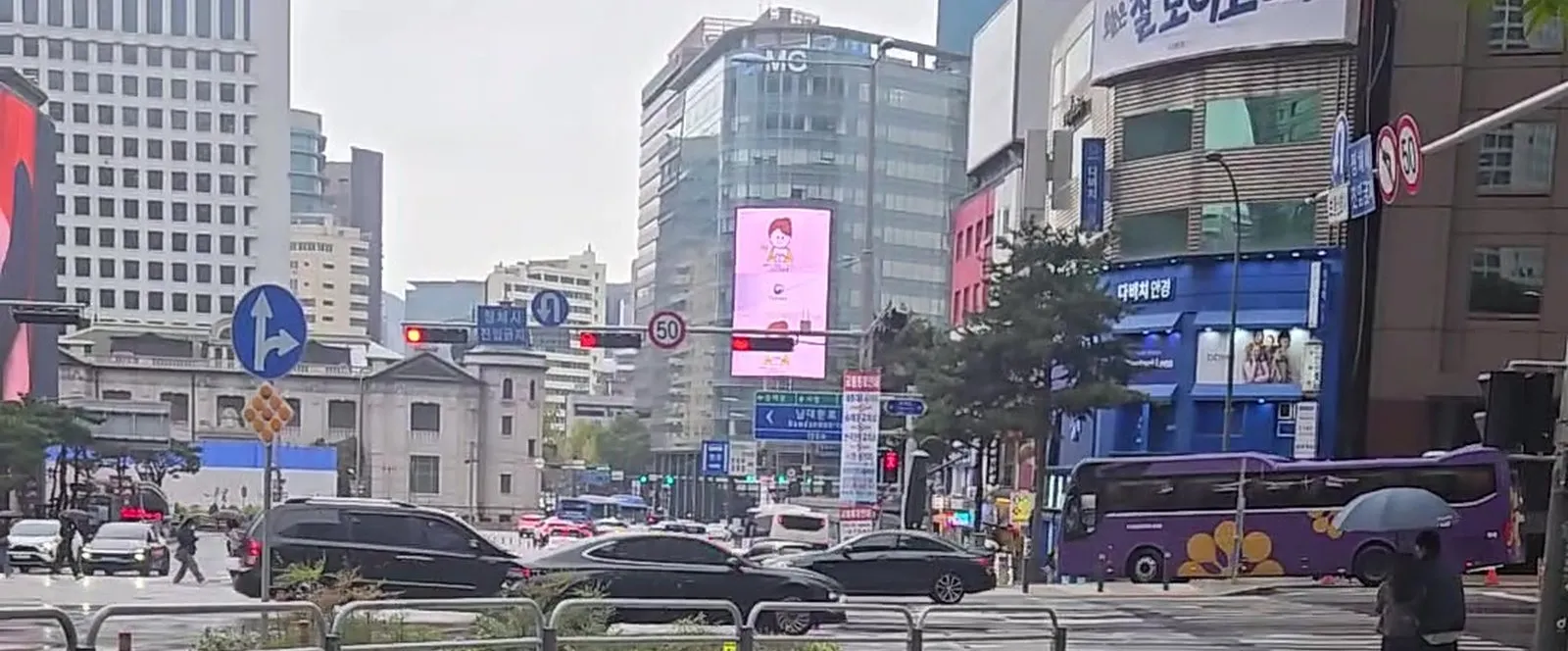
“Five minutes from Myeongdong Station” sounds reassuring on a hotel listing. But what exactly does five minutes mean? From the station building? A particular exit? The middle of a shopping street? Or the door you will actually use with a suitcase after your flight?
Myeongdong is popular for good reasons. Seoul’s official tourism guide describes its mix of shopping streets, cosmetics stores, food and visitor services. It is also served by Myeongdong Station on Subway Line 4. Those facts make it a logical first-trip base—but a central neighbourhood is not the same as a verified easy walk to every hotel.
Before booking, take five minutes to test the route, not just the hotel’s distance label.
1. Start at the correct station and exit
The listing may say “near Myeongdong,” but that could refer to a broad neighbourhood rather than Myeongdong Station specifically. Pin the hotel’s actual entrance on a navigation map, then check the recommended subway station, exit number and walking route.
Visit Seoul lists Myeongdong Station on Line 4. Its suggested shopping-area exits do not identify the right exit for every hotel.
When comparing two hotels, write down the station and exit alongside the advertised walking time. A short route from the wrong exit is not a useful comparison.
Check before booking: “Which station exit is nearest to the hotel’s main entrance—not merely its street address?”
2. Check the step-free route separately
Distance and accessibility are different questions. A map’s shortest pedestrian route may not tell you whether you will have stairs, escalators, elevators, narrow doorways or a raised crossing along the way. These details matter with a wheeled suitcase, a stroller or mobility equipment.
Seoul Metropolitan Government publishes a subway accessibility facilities reference, and the official Visit Seoul accessibility guide explains that access can vary between stations and routes. You can use those resources as a starting point, but confirm the specific exit and street-level path, because the existence of an elevator somewhere in a station does not prove that the nearest exit works for your journey.
If access is essential, ask the hotel for a step-free arrival route in writing.
Check before booking: “Can I reach the hotel entrance without lifting my luggage over stairs?”
3. Count crossings and turns, not just metres
Two routes of similar length can feel different. One may be a straightforward main street; another may involve several crossings, turns or directions that are easy to miss after dark. A map’s estimated walk time is useful, but it is still an estimate.
Zoom in, count road crossings and direction changes, and treat street-level imagery as a clue—not a guarantee that construction or signs remain unchanged.
It helps to separate three figures: map distance, map-estimated walking time and an observed walk. They are not interchangeable. Luggage, traffic signals, crowds and navigation pauses can affect the last one.
Check before booking: “Can I describe the route in three or four simple turns?”
4. Identify the correct hotel entrance
The map pin might represent a property, but a large hotel’s guest entrance can face a different street from the point shown. Some buildings have vehicle entrances, lobby entrances and access from more than one direction. We have not checked those features at Myeongdong hotels generally; treat this as a question to ask each property.
Compare the hotel’s official directions and entrance photographs with the map. Ask reception to identify the guest entrance, not simply repeat that it is “close to the station.”
Check before booking: “Where will I actually enter the lobby?”
5. Test the first and last part of your journey
Walkability is most important when you are tired. Imagine arriving with a suitcase, then leaving again for an early train or flight. Is the walk still acceptable in rain? Do you know where to return to the subway? Is a route with fewer turns worth a little extra distance?
Make a personal threshold rather than relying on a universal claim. Someone travelling with a backpack may be happy with a longer walk. Someone with two suitcases may prefer a hotel slightly farther from the main shopping streets but closer to a convenient station entrance.
For essential step-free access, obtain hotel confirmation before booking.
Check before booking: “Would I happily repeat this walk at the end of a long day?”
One bounded field note: Exit 6 to Westin Josun Seoul
The Worth-It Map creator documented one specific evening walk from Myeongdong Station Exit 6 toward Westin Josun Seoul. The exact field observations, date, map estimate and limitations belong in that route’s separate article, not in a general hotel walkability checklist.
This single walk supports a discussion of that route on that date. It does not verify walking times to other hotels, universal accessibility, hotel facilities or what the route will look like on your future arrival date. The creator will compare the note against the original footage before this paragraph is published.
The broader lesson is simple: write down what was measured, how it was measured, and precisely which route was checked.
The one-minute hotel test
Before you book a Myeongdong hotel, save this small checklist:
- Exact property entrance and map pin match?
- Best subway station and numbered exit confirmed?
- Step-free route confirmed if you need it?
- Crossings, turns and real arrival conditions checked?
- Walking distance and time given with a source—not a vague promise?
If two hotels are otherwise similar, the one with a clear, verifiable arrival route may be worth more to you than the one advertising the shortest number of minutes.
References and scope
- Visit Seoul — Myeongdong district: neighbourhood features and Myeongdong Station Line 4.
- Seoul Metropolitan Government — Subway Accessibility Facilities: station facilities by line/station.
- Visit Seoul — Accessibility: city travel and public transport accessibility context.
- Seoul Metropolitan Government — Subway service: official public transport overview.
- Owner-source note: The Worth-It Map filming and map notes for October 31, 2026; original footage and route timestamp require creator sign-off. This is not an independent external URL.
Research reviewed: November 1, 2026. No general hotel accessibility audit, hotel-room stay, or universal night-safety review is claimed.