Research Guide
Seoul in Winter: How to Plan a Comfortable First Visit
Seoul winters are often cold and dry. Plan a flexible day pairing palace views with museums, markets and K-beauty shopping—without relying on snow.
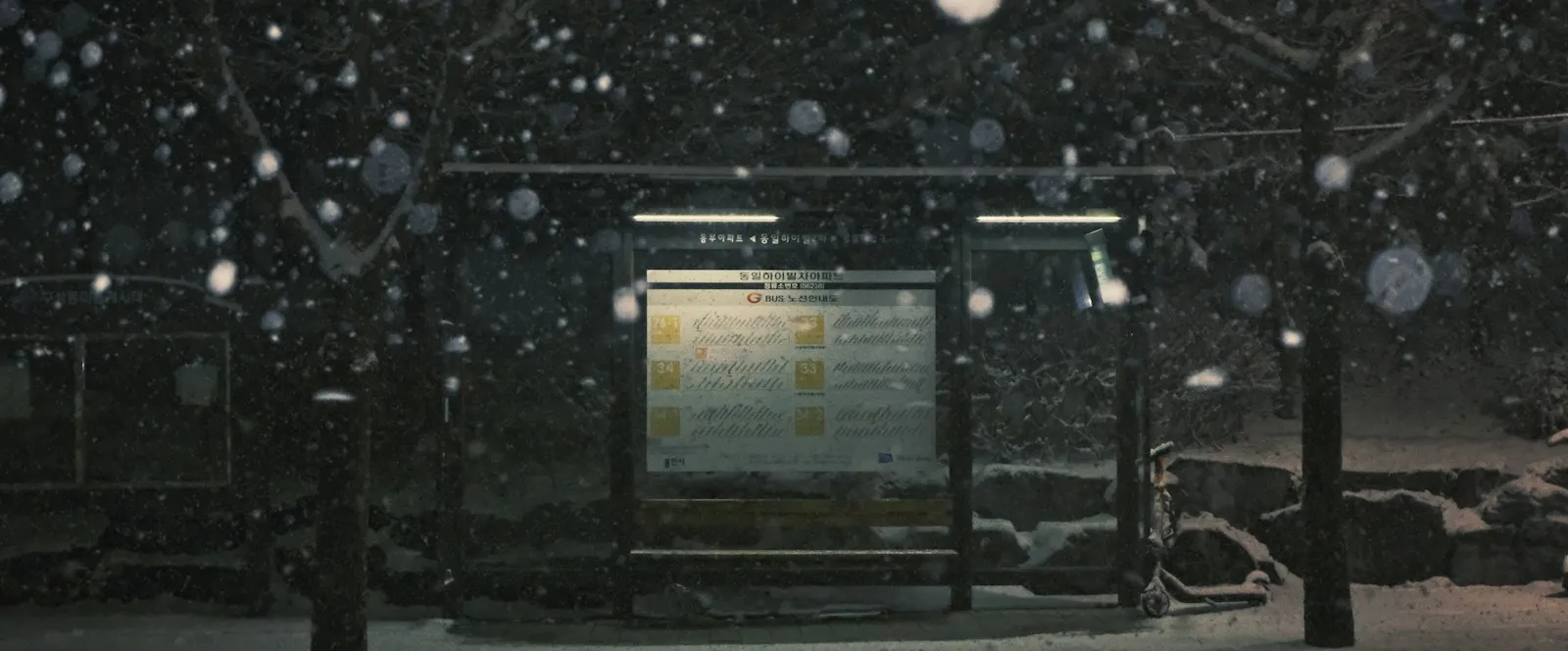
Winter travel videos may show snowy streets, festive lights or people warming up over food. Beautiful scenes—but not a forecast for every winter day.
Ask: “How can I enjoy Seoul even if it is colder or windier than I imagined?” Plan around food, shopping, palaces, museums and neighborhood streets; let weather decide their order.
What winter usually means in Seoul
The Korea Meteorological Administration explains that Korean winter is generally influenced by cold, dry continental air. Korea Tourism Organization describes December to February as the winter season and similarly notes cold, dry conditions. Seoul’s city guide warns that winter air and wind can make a day outdoors uncomfortable.
These are seasonal characteristics, not a prediction. Snow is possible but never promised. A clear day may invite a walk; a cold wave may shorten it. Check the KMA short-range forecast shortly before each outing and again that morning.
For a winter holiday, comfort is a scheduling decision as much as a clothing decision. Two hours wandering open courtyards may be lovely on one day and unnecessarily tiring on another.
Build every day with an outdoor anchor and an indoor reward
Instead of collecting a long list of attractions, give each half-day two parts:
- One experience that genuinely benefits from being outside: a palace courtyard, a short historic street walk or a view of central Seoul.
- One nearby indoor experience that you would enjoy anyway: a museum, Korean meal, cosmetics store or covered market food area.
The indoor part is not a consolation prize: Korean beauty shopping, hot market food and royal objects can be trip highlights. Pairing stops also avoids needless cross-city journeys to escape the wind.
Pair 1: Gyeongbokgung Palace + royal culture indoors
Outdoor anchor: Gyeongbokgung Palace is one of Seoul’s signature royal heritage experiences, with its scale and architecture best appreciated outside. The official Visit Seoul listing publishes seasonal operating hours and closure rules; winter days can have earlier closing times than warmer months. Check the specific date before you go rather than assuming the grounds stay open until evening.
Indoor reward: The National Palace Museum of Korea presents royal cultural objects. It is a logical companion for a history-focused day near the palace area, even when the weather changes.
On a comfortable day, start outdoors, then go indoors. In biting cold, shorten the courtyard visit. Verify the museum’s separate opening and holiday rules.
Pair 2: Myeongdong’s streets + K-beauty stores
Outdoor anchor: Explore a manageable portion of Myeongdong’s streets. Visit Seoul identifies the neighborhood as a major shopping area with Korean cosmetics retailers and a range of food and clothing businesses.
Indoor reward: Choose one or two actual shops you want to browse. Shopping becomes a useful warm interval, not a forced detour. If your goal is K-beauty, look at testers and product categories in person, compare the information on packaging, and avoid buying only because a promotional display says something is popular.
Hours, stock and promotions are retailer-specific; no products or discounts are guaranteed here.
Pair 3: A short city walk + Gwangjang Market food
Outdoor anchor: Choose a brief walk in the Jongno area if the conditions suit you, rather than scheduling a long uninterrupted outdoor route.
Food reward: Visit Seoul’s official Gwangjang Market page describes its Korean food stalls, including mung-bean pancakes and gimbap. Food-stall areas can make an appealing winter stop, although a market is not one uniformly heated indoor room. Some passages, seating and entrances may still feel cold. Check the part of the market you want to visit, especially on holidays.
Do not combine all three pairs into one frantic day. Each is a separate half-day idea, and the transfer between different neighborhoods takes time.
Choose your version each morning
| Morning conditions | Outdoor plan | Indoor plan | Best adjustment |
|---|---|---|---|
| Clear, manageable cold | Palace courtyard or compact street walk | Museum or nearby food stop | Make the most of daylight; take a warm break before fatigue |
| Strong wind or cold-wave alert | Keep outdoor time short; avoid exposed long walks | Spend longer in a museum, department store or K-beauty shopping area | Keep travel between stops simple and check official advisories |
| Snow, ice or slippery surfaces | Skip steep or uncertain pedestrian paths | Use an indoor cultural/shopping activity you already wanted | Check KMA and venue updates; do not assume the postcard scene is safe or accessible |
| Weather improves later | Start with food, museum or stores | Move the outdoor anchor to a better window | Keep palace opening/closing times in mind |
The table is a planning method, not a forecast. If a severe-weather warning is issued, follow the Korea Meteorological Administration and city safety guidance over any suggested sightseeing route.
A realistic winter day—without rushing
Here is a flexible example for a first-time visitor interested in Korean history and shopping:
- Morning: Check the forecast and Gyeongbokgung’s opening information. Visit its courtyards if conditions are comfortable; otherwise start with the nearby palace museum.
- Midday: Take a proper meal break indoors. Decide whether you want another historical stop or a change of pace.
- Afternoon: Travel to Myeongdong for a short street walk and K-beauty browsing. Stay longer inside if the wind picks up.
- Evening: Choose a restaurant or an easy return to the hotel, rather than assuming an outdoor winter festival is operating that night.
This is a suggested sequence, not a tested walking route or a timed tour. Check transport, accessibility and operating hours for your chosen date. If you want less traveling, keep the whole day around the palace/museum area and save Myeongdong for another day.
Four checks before you leave the hotel
- Weather: open the KMA forecast for the district and note any cold, wind, precipitation or safety alert. A monthly average cannot replace today’s forecast.
- Open doors: check the actual museum, palace and market schedule, including weekly closures and Lunar New Year holidays.
- Travel effort: ensure your indoor backup is reasonably close to your outdoor anchor, and identify the next station or taxi pickup area if needed.
- Your priority: decide what you most want to remember—palace architecture, Korean food, or a K-beauty shopping afternoon—and keep that experience even if the plan changes.
Our verdict
Seoul in winter is worth visiting for the things you can do here, not for a guarantee of snow. Build a day that alternates meaningful outdoor moments with equally rewarding indoor ones. That way the weather may change the order, but it does not cancel the trip.
Official references and limitations
- Korea Meteorological Administration — Korean climate characteristics: cold/dry winter climate background.
- KMA — Short-range forecast: check dates, temperatures and current alerts before going out.
- Korea Tourism Organization — Climate & Seasons: seasonal travel context.
- Seoul Metropolitan Government — Seoul climate: local winter conditions.
- Visit Seoul — Gyeongbokgung Palace: official visitor hours and closure information.
- KTO — National Palace Museum of Korea: indoor cultural companion.
- Visit Seoul — Myeongdong and Gwangjang Market: shopping/market activities and operator contacts.
Research reviewed: November 1, 2026. This is a planning guide, not a report of personal visits. Weather, special events, store availability and attraction hours must be rechecked for travel dates.