Research Guide
Gyeongbokgung vs Changdeokgung: Which Palace Should You Visit First in Seoul?
Compare Gyeongbokgung and UNESCO-listed Changdeokgung by experience, closure days, seasonal hours and Secret Garden booking rules for a first Seoul visit.
Research-based comparisonNot foot-verified · Official hours and fees as of Nov 1, 2026
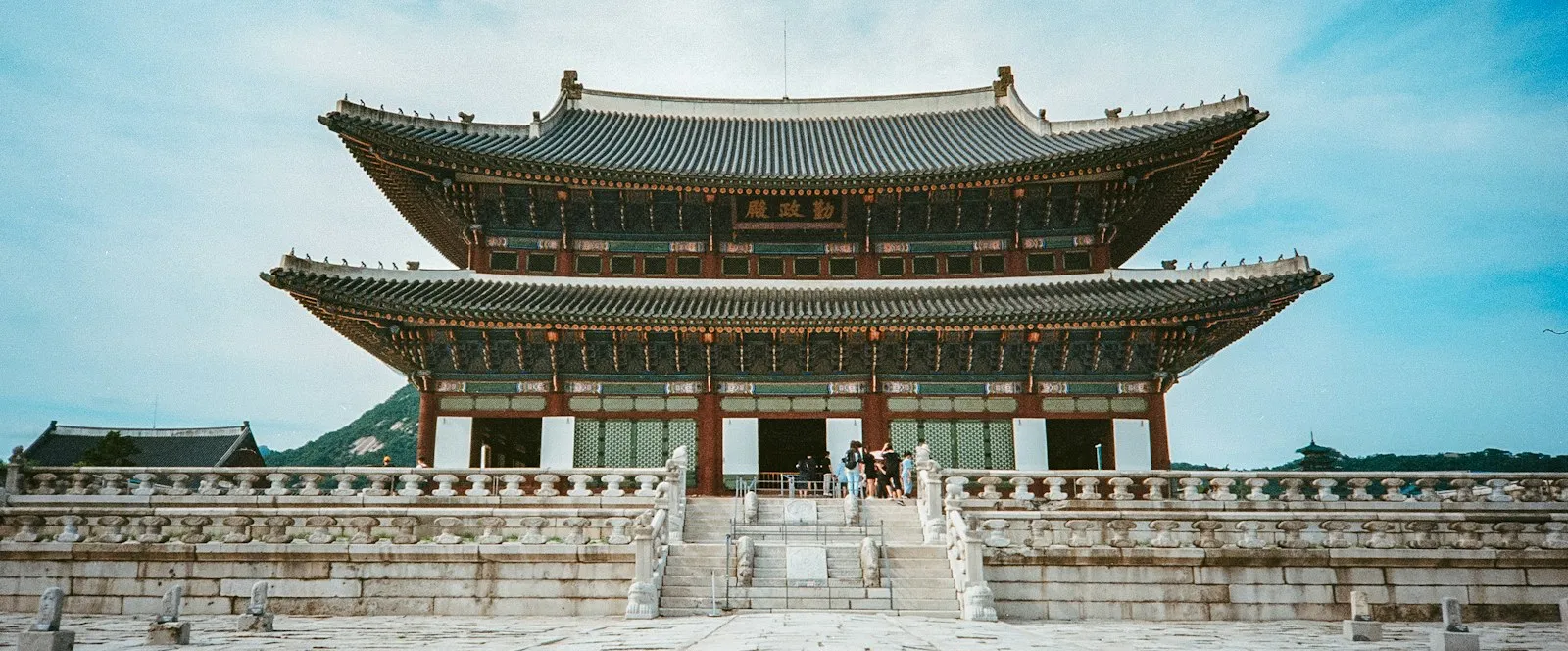
If you have time for only one royal palace in Seoul, the choice is not as simple as picking the most famous photograph. Gyeongbokgung and Changdeokgung offer different introductions to the Joseon royal world—and one has a particularly important booking decision.
Gyeongbokgung was the dynasty’s principal palace, founded in 1395, according to the Royal Palaces and Tombs Center. Changdeokgung was established as a secondary palace in 1405 and is recognized by UNESCO for architecture and gardens integrated into the natural landscape.
This Research Guide draws on palace-management and UNESCO information checked November 1, 2026. This article does not claim a personal visit or a timed field check at either palace. Choose by your interests, the weekday and whether Changdeokgung’s Secret Garden (Huwon) is available.
The decision in one table
| Question | Gyeongbokgung | Changdeokgung |
|---|---|---|
| Main experience | The principal Joseon palace and its formal royal setting | Palace architecture in a landscape-sensitive setting, plus a separately controlled garden area |
| Official heritage context | Founded 1395; palace of the new dynasty | Founded 1405; UNESCO World Heritage palace complex |
| Regular closed day | Tuesday | Monday |
| Standard palace admission | Published adult individual ticket applies; check category and exemptions | Main palace ticket applies; Secret Garden needs a separate ticket |
| Extra planning issue | Seasonal hours and any special opening notices | Garden booking, capacity, entrance time, language session and weather-dependent operation |
| The choice to ask yourself | “Do I want a direct introduction to the royal palace?” | “Is palace-and-garden landscape the main reason for my visit?” |
The table compares visit structures, not beauty, crowds or value rankings.
Choose Gyeongbokgung for the principal-palace story
The palace authority’s history page identifies Gyeongbokgung as the primary palace established at the beginning of the Joseon dynasty. It is a straightforward first research target if you want to understand the dynasty’s royal setting and see a major palace without making a limited-capacity garden session the centerpiece of the day.
That does not mean the entire site or every hall is always open. Preservation work, special programs, holidays and weather-related notices can change access. Check the official opening information for the day you intend to visit.
If your goal is specifically to wear hanbok and take photographs, that is a separate planning decision involving outfit rules. For admission rules when wearing hanbok, see the Gyeongbokgung hanbok guide; this comparison is about which palace experience to choose, not how to qualify for free admission.
Choose Changdeokgung if the palace-and-garden relationship is your priority
UNESCO describes Changdeokgung’s architectural arrangement as closely related to its wooded landscape and natural topography. That is a strong reason for travelers interested in heritage design, gardens or the way buildings fit into the land to investigate it first.
But do not confuse entrance to Changdeokgung’s main palace grounds with entrance to Huwon, the Secret Garden. The official admissions page lists separate charges and states that garden admission also requires the main-palace admission entitlement. The official Changdeokgung reservation page sets out the garden’s timed, limited-entry system.
You can value the palace’s architecture without going into the garden, but do not book Changdeokgung assuming a general palace ticket includes Huwon. If the garden is the experience that matters most, check its availability before committing the rest of your day.
The practical difference: closures and seasonal hours
According to the Royal Palaces and Tombs Center’s visiting-hours table, Gyeongbokgung is regularly closed on Tuesdays, while Changdeokgung is regularly closed on Mondays. When a scheduled closure coincides with an official holiday or substitute holiday, the closure can move to a subsequent non-holiday. A simple repeating calendar rule is therefore not enough on a holiday week.
The same official table publishes different opening times by season. Examples as checked November 1, 2026:
| Period | Gyeongbokgung | Changdeokgung |
|---|---|---|
| November | 9:00 a.m.–5:00 p.m.; last admission 4:00 p.m. | 9:00 a.m.–5:30 p.m.; last admission 4:30 p.m. |
| June–August | 9:00 a.m.–6:30 p.m.; last admission 5:30 p.m. | 9:00 a.m.–6:30 p.m.; last admission 5:30 p.m. |
These two rows are not a full year-round schedule. Gyeongbokgung also has March–May and September–October hours; Changdeokgung has different February–May and September–October hours. Check the linked authority page for your exact month. The last admission is not the same as the closing time, and it does not guarantee enough time for the kind of visit you want.
How Secret Garden booking works—and why it changes the choice
The official Changdeokgung reservation instructions currently describe advance online booking opening six days before the intended visit at 10:00 a.m. Korea time, subject to capacity. The official FAQ also explains that day-of tickets may be sold on site from 9:00 a.m., again in limited numbers. Those tickets are not guaranteed.
The garden has specified sessions and visitor limits. Language arrangements, admission location and any permitted independent viewing areas are governed by the current program. The official instructions also warn that late arrival can mean denied entrance without a refund, and that weather or preservation conditions may change the operation.
At the November 1, 2026 source check, the published standard adult price table listed ₩3,000 for ordinary main-palace admission at each palace and ₩5,000 for adult Secret Garden admission at Changdeokgung, subject to age/eligibility and special terms. A garden visitor generally needs both tickets. These are dated official figures, not a future booking quotation: recheck before publishing and before buying.
The distinction is important. A “spontaneous palace afternoon” and a “garden visit with a timed reservation” are two different plans. If the latter is unavailable, you can still decide whether the main Changdeokgung grounds interest you, or select Gyeongbokgung instead.
A sensible choice for four travel situations
- First-ever palace visit, one flexible daytime opening: Start by investigating Gyeongbokgung, especially if you want the principal-palace history without a special garden reservation.
- Architecture and natural landscape are the highlight: Investigate Changdeokgung and Huwon, but check garden tickets first.
- Your only available day is Monday or Tuesday: Compare the official calendars; their normal closed days differ, and holiday exceptions can reverse your assumption.
- Secret Garden is sold out: Decide whether the main Changdeokgung palace alone fits your interests. Do not treat a sold-out garden as automatically making the whole palace inaccessible.
No district is automatically safer, more convenient or less crowded because of these suggestions. The right decision depends on your dates, mobility needs, interests and the official operating situation on the day.
The Worth-It Map verdict
If you want to say, “I saw the main royal palace of Seoul,” Gyeongbokgung may be your first choice. If you are excited by the relationship between historic buildings and gardens, Changdeokgung may be the more compelling research target—especially when a Secret Garden slot is actually available.
Either can be worth your time. The mistake to avoid is not choosing the “less popular” palace; it is arriving on a closed day, or expecting access to a separately ticketed garden you did not book.
Only the places worth it.