Research Guide
Myeongdong vs Hongdae: Which Seoul Base Fits Your Trip?
Myeongdong or Hongdae for your first Seoul stay? Compare shopping, street atmosphere, evenings and hotel location checks before choosing your base.
Research-based comparisonNot foot-verified · No price claims
If you are choosing a hotel for your first Seoul trip, you will probably encounter Myeongdong and Hongdae. Both can be enjoyable, but they offer different ways to spend an afternoon and evening. The better choice depends on what you want to do after you put your bag down.
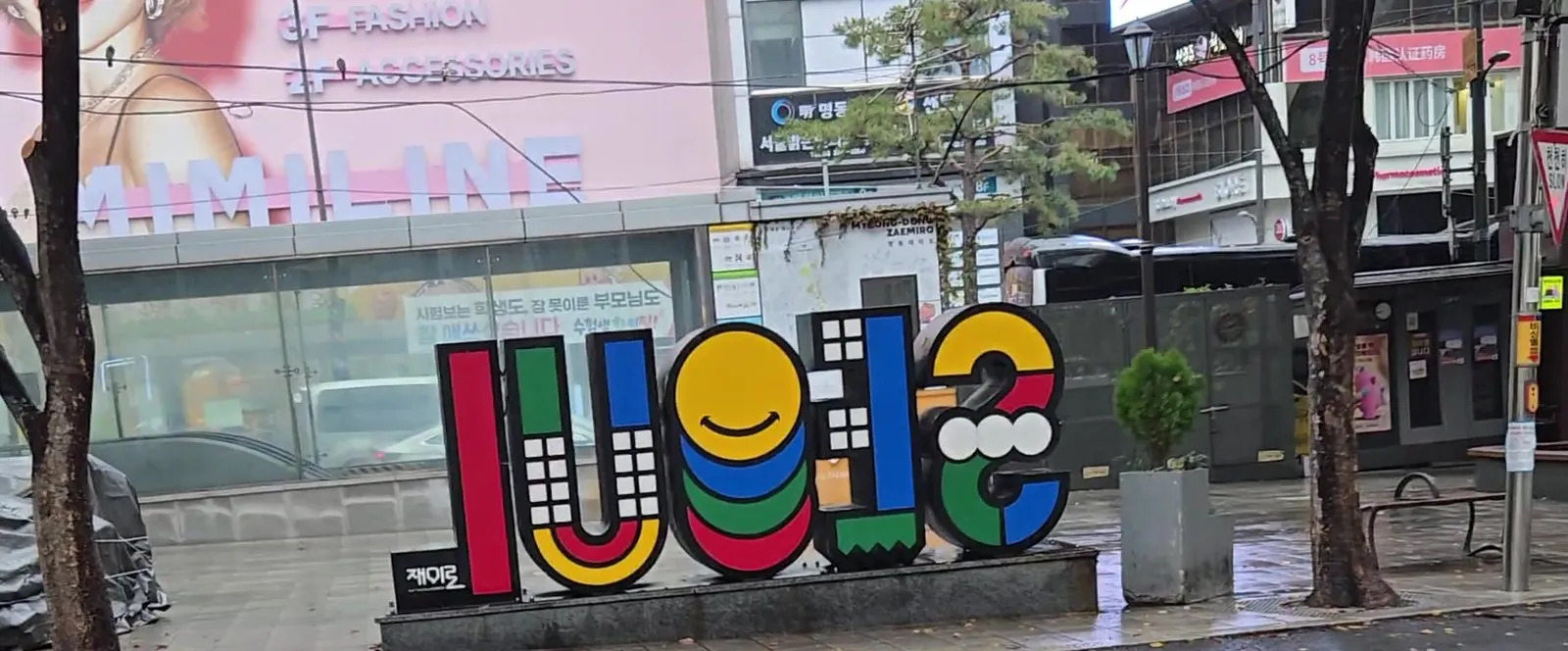
Myeongdong is a strong candidate if your first Seoul memories involve beauty shopping, familiar retail streets and a base around central sightseeing. Hongdae may appeal more if you picture independent shops, cafés, youthful street culture and going out after dinner. Those are useful starting points—not a verdict that one neighborhood is cheaper, safer or universally better.
This guide compares neighborhood character using official tourism information. It does not claim that we have tested specific hotels in either area.
The quick comparison
| Your priority | Myeongdong may fit better if… | Hongdae may fit better if… |
|---|---|---|
| First evening | You want a recognizable shopping district close to your base | You want to explore cafés and creative streets |
| Shopping | K-beauty and major retail are high on your list | You prefer browsing smaller shops and youth-oriented fashion |
| Street atmosphere | You like busy visitor-focused streets | You like student-area energy, busking and local hangout spaces |
| Sightseeing plans | Several of your planned stops are around central Seoul | You are happy to travel across town to historic sights |
| Hotel choice | You value the exact entrance route and quiet room as much as the address | You value access to your preferred streets without sleeping directly above the busiest spot |
The Korea Tourism Organization describes Myeongdong as one of Seoul’s main shopping districts. Seoul’s official visitor guide highlights Hongdae’s R1 Red Road for markets, street culture and busking. These official descriptions support the different character of the two areas; they do not establish a ranking of hotel quality.
Pick Myeongdong if shopping is part of the trip itself
For some visitors, a Seoul holiday includes the pleasure of comparing skincare products, browsing fashion stores and trying snacks while walking between shops. In Myeongdong, the activity is not hidden away at a separate attraction: the shopping district itself is the destination. VisitKorea also describes Myeongdong as a place for street food alongside shopping.
That makes Myeongdong convenient for a particular kind of first visit: finish a day of sightseeing, return to your hotel, then spend the remaining energy shopping or eating nearby. It may also feel reassuring if you prefer a visitor-oriented environment with clearly identifiable retail landmarks.
The trade-off is that a hotel in a famous district is not automatically a pleasant room. A property facing a busy street may have a very different atmosphere from one on a quieter side street. Before choosing, compare recent reviews about night noise, window insulation, entrance location and elevator access. Check the hotel on a map—not just the neighborhood name in its listing.
Also, “Myeongdong hotel” is a broad marketing description. Look at the actual location and which subway station or bus stop serves it. Being near a shopping street is not the same as having an easy luggage route to the lobby.
Pick Hongdae if the neighborhood is your evening plan
Hongdae is associated with Hongik University and a creative street scene. The Seoul tourism authority documents busking and cultural activity around Hongdae, while the area’s Red Road is presented as a corridor of markets and cultural events.
If your ideal travel evening is choosing a café, browsing something unexpected and seeing what is happening on the street, Hongdae may suit you better than returning to a large shopping district. You can spend time in the neighborhood without needing a ticketed attraction.
But the same lively atmosphere that makes an area fun can be inconvenient when you want to sleep. A hotel next to a busy late-night street may not match the needs of a family, light sleeper or someone with an early departure. Look for the hotel’s exact street and investigate recent mentions of sound, access and late check-in. Do not assume that every address marketed as “Hongdae” has the same atmosphere.
Hongdae also does not replace the historic areas of Seoul. If your itinerary is focused on palaces and central landmarks, consider the daily transit you would take rather than choosing based on a single appealing photo.
Compare the hotel, not just the neighborhood
Once you have a neighborhood preference, use the same four checks for each shortlisted hotel:
- Door-to-door arrival: Find the correct station exit or airport bus stop, then check the route to the entrance. Include stairs, hills and luggage—not only a map’s walking minutes.
- The room you will actually book: Read reviews for that room type and check whether recent guests mention noise, room size or bathroom layout.
- Your first three activities: Put them on a map. A base that shortens your particular trips may matter more than a popular district name.
- The catch: What would make you skip this hotel? Examples are difficult arrival access, repeated maintenance complaints or a location that clashes with your sleeping schedule.
If you are still undecided, write your top three activities for the first two days. If the list is skincare shopping, street food and central sightseeing, begin your search in Myeongdong. If it is cafés, independent shopping, performances and a lively evening, begin in Hongdae. Then test the actual hotel address before paying.
Is Myeongdong or Hongdae “worth it”?
Neither neighborhood deserves a universal worth it stamp. Myeongdong is not a guarantee of convenience for every itinerary, and Hongdae is not a guarantee of a better night out. The useful decision is which area makes your preferred Seoul experience easier while keeping your hotel’s drawbacks acceptable.
If both work, the deciding factor may be the individual hotel: a quieter room, a simpler entrance route or clear recent guest feedback. That is a stronger basis for choosing than treating a district as a single product.
Editorial disclosure: This is a research-based neighborhood comparison. We have not represented either neighborhood’s hotels as personally stayed in, and we have not assigned unverified price or safety rankings. Prices, services and transit patterns can change.
Official sources and further checking
- Korea Tourism Organization — Myeong-dong — shopping district and Line 4 context.
- KTO — Shopping Like a Local: Myeong-dong — shopping and street-food context.
- Seoul Tourism — Hongdae R1 Red Road — street culture and markets.
- Seoul Tourism — Hongdae R2 Busking Street — performance culture.