Research Guide
Myeongdong Street Food: What to Try and How to Order
What to try on a first Myeongdong street-food walk: sweet, spicy and savory snacks, how to order, payment checks, food allergies and good street manners.
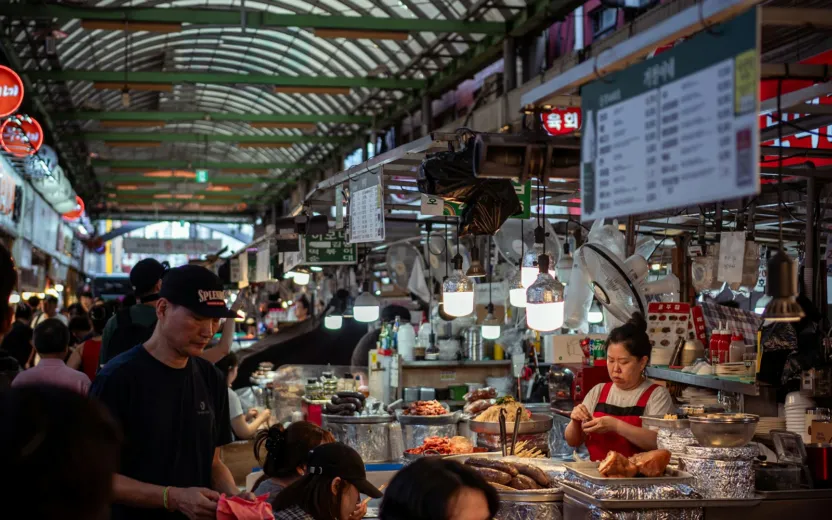
Myeongdong is one of the Seoul places where shopping and snacking can happen in the same walk. You may be comparing skincare inside a store one moment and deciding whether to try a warm street snack the next. That is the attraction: you can taste something without turning the evening into a complicated restaurant reservation.
The Korea Tourism Organization’s seasonal street-food guide identifies a Myeongdong Station food-street area near Line 4 Exit 6. That is a useful orientation point, not a promise that every stall will be open or every food shown in a travel video will appear on your visit. The KTO’s Myeongdong district guide also describes it as a central shopping area.
For a first visit, the easiest approach is to browse once, choose two or three foods that genuinely interest you, and learn a simple way to order. Here is what helps.
Choose by flavor, not by a viral ranking
| If you want… | Look for… | Know before ordering |
|---|---|---|
| Spicy and chewy | Tteokbokki (떡볶이) | Rice cakes in sauce; heat and ingredients vary by vendor |
| Warm and savory | Eomuk (어묵), fish cake | Often served on a skewer with broth; may contain fish and other allergens |
| Sweet and comforting | Hotteok (호떡) | A filled griddled pancake; filling and nuts vary, and the center can be very hot |
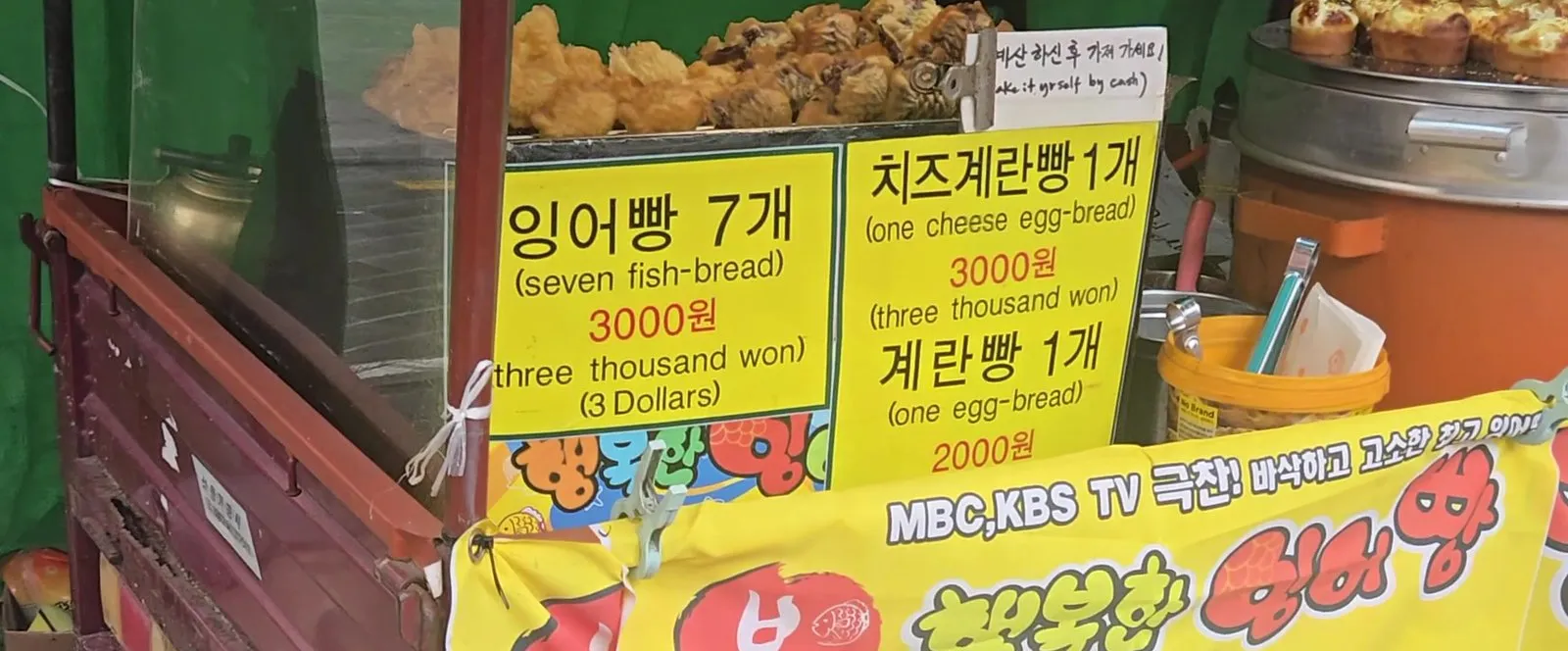
| A light savory-sweet snack | Gyeranppang (계란빵), egg bread | Egg-based; check other ingredients and whether it is freshly prepared |
| Something easy to share | Skewers or small fried bites | Sauces, coatings and portion sizes vary; ask what is included |
These are Korean street-food types, not a verified inventory of Myeongdong stalls. VisitKorea’s street-food overview introduces tteokbokki, fish cakes, fried snacks, hotteok and other seasonal foods. KTO’s winter snacks feature also discusses eomuk and other warming choices. An individual vendor may sell a variation—or none of them.
First stop: decide whether you want sweet, spicy or savory
If you are hungry but unsure what to choose, start with one flavor category. A sweet pancake may suit someone who has already eaten dinner; tteokbokki might be a better experiment for a traveler who enjoys chili-based food; eomuk can appeal if you prefer a warm savory bite.
Tteokbokki is often pictured as glossy red rice cakes, but sauce recipes and toppings differ. KTO’s dish description describes a gochujang-based version, often with fish cake, and also notes less-spicy soy-sauce variations. Do not assume the red version is mild or vegetarian. A small portion can be a better first experiment than committing to several spicy items at once.
Hotteok is a different experience: a warm, filled pancake that feels especially inviting in cold weather. Check the filling before buying—nuts and other ingredients may be present—and give it a moment to cool. The filling may be hotter than the outside suggests.
Eomuk is a fish-cake snack frequently served with broth. That can be appealing on a cold day, but it is not a safe assumption for a fish allergy, vegetarian diet or strict religious dietary restriction. Ask about ingredients before ordering, including broth and sauce.
Gyeranppang, or egg bread, is another option if you see it. A KTO feature on winter K-snacks highlights Myeongdong as a place to look for it, but expressly notes that store hours vary. If no stall is serving it when you arrive, that is a normal reason to choose something else.
How to order without holding up the line
You do not need a long Korean speech. The most useful routine is to read the displayed menu, point to the exact item and confirm the quantity and price before the food is prepared.
These short expressions can help:
- Igeo hana juseyo (이거 하나 주세요) — “One of this, please.” Point to the item.
- Maewoyo? (매워요?) — “Is it spicy?”
- Kadeu dwaeyo? (카드 돼요?) — “Can I pay by card?”
Do not assume every stall accepts the same payment method. Signs and payment systems change. If the price or portion is unclear, ask or move to a vendor with a clearly displayed menu. There is nothing wrong with taking a moment to decide off to the side of the queue.
Watch how that particular stall serves food. Some items may be handed over in a cup, on a tray or on a skewer. The point is to follow the vendor’s setup rather than expecting restaurant-style table service.
Four small habits that make the experience better
1. Keep the walking path clear. Myeongdong is a busy shopping area. After receiving food, move to a safe space near the stall if available instead of stopping in the center of pedestrian flow. Hot broth and sharp skewers deserve extra care around crowds.
2. Handle waste where the vendor directs. Ask whether cups, skewers or trays should be returned. Do not leave packaging on a counter that belongs to a different business, and do not assume a random container is public trash disposal.
3. Ask before filming a close-up of someone working. A wide street scene and a close portrait of a vendor are different. Respect a refusal, especially during busy service.
4. Treat dietary needs seriously. Sauces, batter, oils, fish-cake ingredients and garnishes vary. A product that looks vegetarian or nut-free may not be. If an allergy is significant, use a translated written allergy card and confirm with staff; if ingredients cannot be verified, skip it.
Is it a meal or a tasting walk?
You can make street food part of dinner, but there is no need to force it into a full-meal plan. Sampling two or three snacks lets you discover different textures without buying everything that appears on social media. If you need a seated meal, choose a restaurant rather than assuming every street vendor has tables, shelter or a place to rest.
For visitors with children or bulky shopping bags, it can help to pause the shopping first and eat with both hands free. In colder months, hot food may be attractive; in any season, the vendor’s actual food handling and ingredient information matter more than a crowded queue or an impressive photo.
What makes a street-food stop “worth it”?
Look for a dish you understand well enough to order, a portion that suits your appetite, clear payment information and a place to enjoy it without blocking others. You do not need to chase an online “top ten” list whose stalls, menu items and prices may have changed.
Myeongdong street food is most enjoyable when it feels like part of your own Seoul evening. Browse, choose something that suits you, and leave room for a second surprise.
Editorial disclosure: This is a research-based introduction, not a first-person review of any particular Myeongdong stall. We have not verified current stall availability, prices, queues, opening hours, ingredients or food-safety practices. Confirm details at the vendor.
Official sources
- Korea Tourism Organization — Winter Street Food Battle — food types and Myeongdong Station food-street orientation.
- KTO — Myeong-dong district — shopping district context.
- KTO — Bunsik & Street Food — Korean snack types.
- KTO — Tteokbokki — preparation and variations.
- KTO — Winter K-snacks / Gyeranppang in Myeongdong — seasonal context, variable hours.