Research Guide
Gwangjang Market for First-Timers: What to Eat and How to Choose
Understand Gwangjang Market's food street, what common Korean dishes are, how to read menu prices and choose a stall, with official Korea tourism sources.
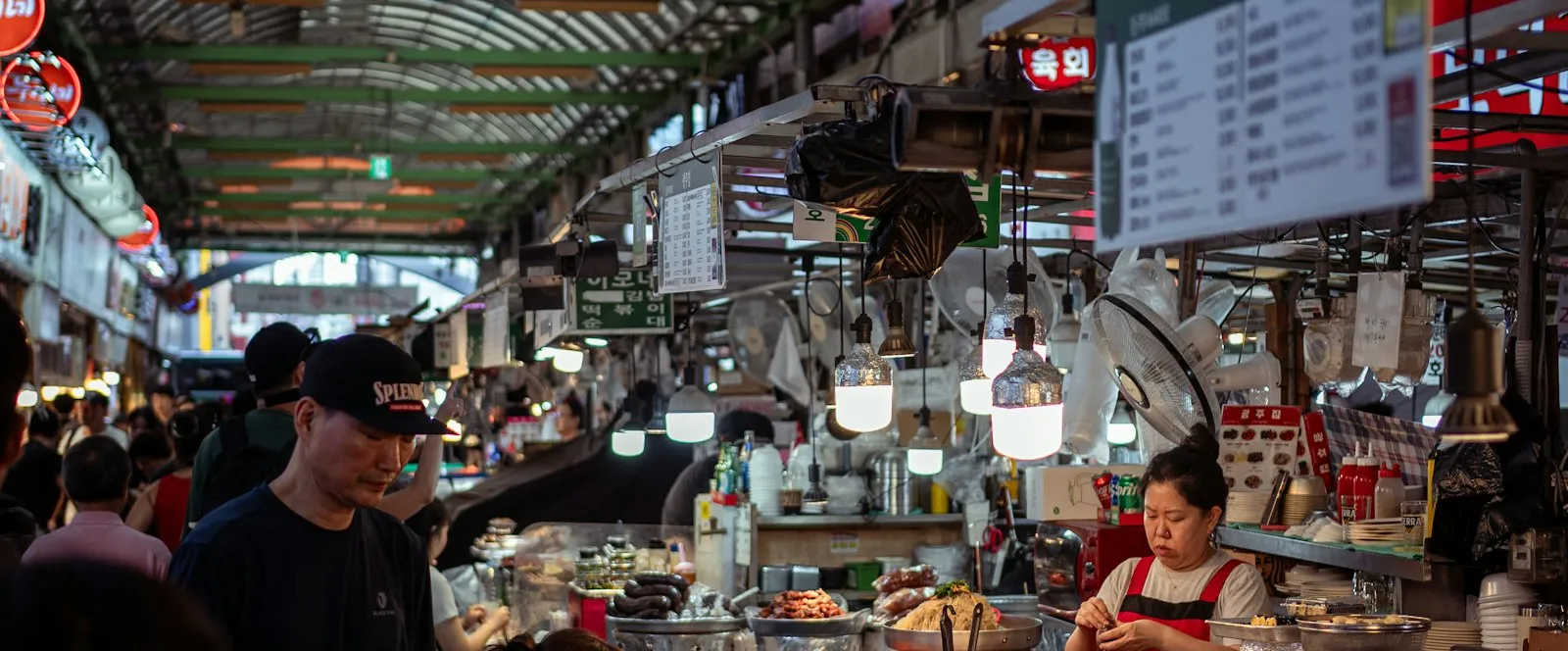
One memorable Seoul experience can be sitting down in a Korean market and trying a dish you have seen in a travel video. Gwangjang Market is one option, and a little preparation helps.
According to the Korea Tourism Organization, Gwangjang is a permanent market trading textiles, clothing, groceries and more, with a popular food street. Know the layout and a few dish names before trusting an unverified “best stall” ranking.
This Research Guide uses official information checked November 1, 2026. It is not a tested meal or vendor review.
Find the market, then find the food section
The official market listing gives this destination address: 88, Changgyeonggung-ro, Jongno-gu, Seoul (서울특별시 종로구 창경궁로 88).
KTO connects the food street to East Gate, North Gate 2 and South Gate 1. These are landmarks, not subway-to-stall walking directions. Use a current map.
KTO lists different general-market and food-street hours, including Sunday differences. Do not assume every counter opens together. Check current vendor arrangements; Visit Seoul is another official overview.
Five things you may see on a menu
Here are foods listed in official tourism guides, not a guarantee about individual stalls:
| Korean name | English description | Question to ask before ordering |
|---|---|---|
| Bindaetteok (빈대떡) | Savory mung-bean pancake | What else is mixed into this stall’s version? |
| Kkoma gimbap (꼬마김밥) | Small seaweed rice rolls, sometimes called mayak gimbap | What filling and dipping sauce come with it? |
| Japchae (잡채) | Korean glass-noodle dish, commonly with vegetables | Does this portion contain meat or another ingredient you avoid? |
| Tteokbokki (떡볶이) | Rice cakes in a seasoned sauce | How spicy is this counter’s preparation? |
| Eomuk (어묵) | Korean fish cake | What is included in the serving? |
The Visit Seoul market guide mentions mung-bean pancakes, small gimbap, tteokbokki and fish cakes. The Korea Tourism Organization’s Jongno food itinerary also discusses japchae and other dishes. These are descriptions of food categories, not current menus or allergen certificates.
If you have a food allergy or restriction, do not infer that a dish is vegetarian, gluten-free or nut-free from its name. Ask about the actual preparation, sauce and shared cooking equipment. If you cannot communicate the restriction reliably, choosing a different meal may be the better decision.
How to choose a stall without a “best stall” list
Use the same practical checks you would apply to an unfamiliar food counter anywhere. This article does not claim the editorial team has personally tested any vendor:
- Look for a menu or displayed price. Make sure you understand whether the number is for one item, a portion or a set.
- Check the dish before ordering. Food names can describe a family of preparations rather than one fixed recipe. Point to the exact menu item if language is a barrier.
- Understand seating. A counter seat, standing snack or takeaway order can create different expectations. Ask whether the food is for here or to go.
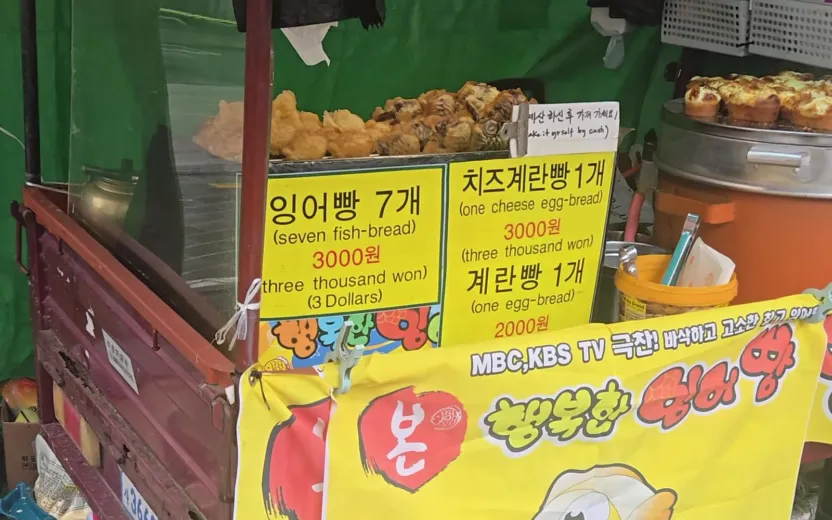
- Confirm payment. Some traditional-market vendors may prefer cash even though card payments are common elsewhere. Carry a modest payment backup and ask what is accepted before ordering.
- Order what you can actually enjoy. A smaller first choice may leave room to sample another dish rather than buying a large spread from social-media recommendations.
The broader VISITKOREA shopping guide notes that some market and street shops may be cash-only. That is a possibility, not a claim about every Gwangjang stall. This article does not list guaranteed payment methods for individual vendors.
Useful words for a first order
Even a few Korean words can make your request clearer. The exact response still depends on the vendor, so use the menu and gestures when needed.
- “Igeo hana juseyo” (이거 하나 주세요) — “One of this, please.” Point to the item.
- “Eolmayeyo?” (얼마예요?) — “How much is it?”
- “Maewoyo?” (매워요?) — “Is it spicy?”
For allergies or dietary rules, prepare a more specific translated message and confirm the answer.
Market food is an experience, not a checklist competition
You need not sample every dish. Choose the experience you want: a pancake, a snack or exploring the wider market.
If you are also interested in textiles or traditional clothing, the market’s official description includes those trading areas. Just remember that shop hours and food-street hours are not the same thing. A late food visit may not allow time for other shopping.
Take photographs respectfully: follow vendor instructions, avoid blocking service, and ask before taking close-up photos of staff or customers. Social media can make a market look like a permanent film set; it is also a place where people work and eat.
Is a visit worth your time?
If your Seoul wish list includes trying Korean market food in an active, mixed-use market, Gwangjang is a credible option supported by official tourism listings. If you only want one particular dish or require strict dietary controls, verify a suitable vendor in advance rather than relying on the market’s general fame.
Editorial takeaway: Save the official address, learn a couple of dish names, check actual opening information, and decide at the counter based on visible menu terms. No invented ranking or fixed price is needed to make the visit more enjoyable.
Only the places worth it.