Research Guide
Where to Stay in Seoul: Five Areas Compared for Your First Trip
Compare Myeongdong, Hongdae, Jongno, Gangnam and Itaewon by trip goals, first-day route, hotel location and tradeoffs—without unreliable hotel-price rankings.
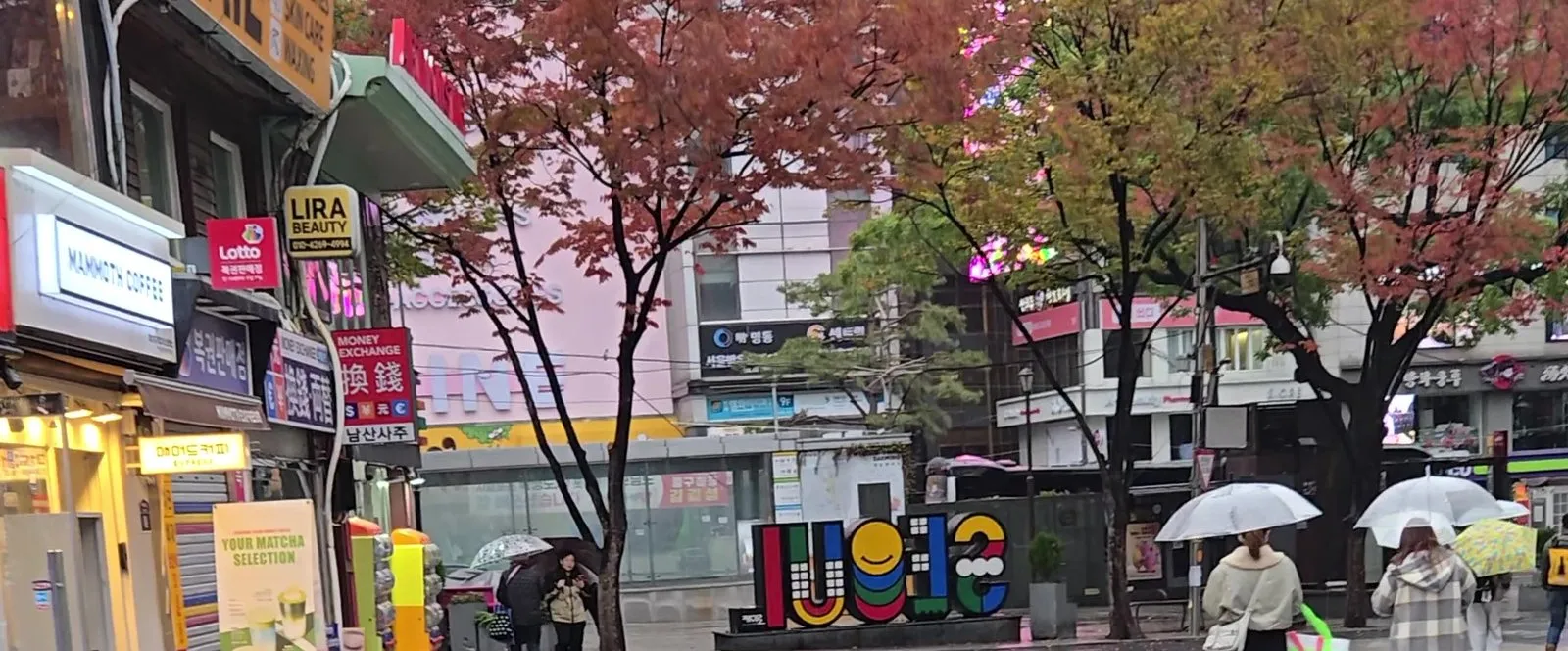
The best-looking room can be the wrong base for your trip. Ask: “Where should I sleep so the experiences I came for are easy to reach?”
Food, K-beauty, live music, palaces and international dining suggest different trips. Your hotel should fit yours, not win a ranking.
This comparison covers Myeongdong, Hongdae, Jongno, Gangnam and Itaewon, based on official tourism descriptions checked November 1, 2026. These are trip-fit starting points, not personally tested hotels or claims about cheapest/safest districts.
Compare all five on the same questions
| Area | Travel interest supported by official tourism information | Who should investigate it first | The important unknown to check |
|---|---|---|---|
| Myeongdong | Cosmetics, shopping, food streets and central sightseeing | Visitors prioritizing K-beauty and a first-night shopping walk | Your hotel’s exact subway exit and final walking route |
| Hongdae | Youth culture, busking, performance, fashion and cafés | Visitors prioritizing music, creative streets and active evenings | Property-level nighttime surroundings and route to your door |
| Jongno | Royal palaces, historic streets, traditional markets | Visitors building days around culture, Gyeongbokgung and central history | Which part of Jongno your address actually means |
| Gangnam | Shopping, business, fashion and contemporary culture | Visitors with several specific activities south of the Hangang River | Real transport links to the rest of your itinerary |
| Itaewon | Multicultural restaurants, shopping and social venues | Visitors prioritizing international food and diverse dining options | Exact venue, dietary suitability and last-mile access |
This is not a safety, price or walkability ranking; those need current property-level evidence.
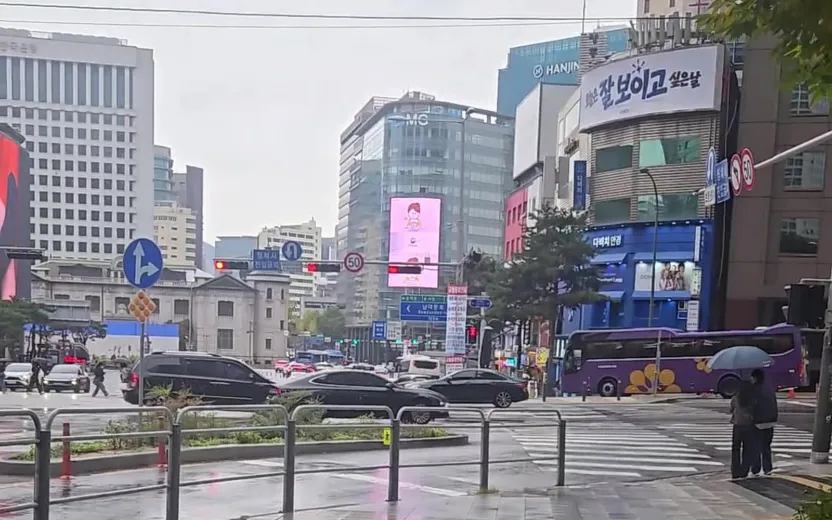
Myeongdong: shopping and a recognizable first-night area
The Visit Seoul guide highlights fashion and cosmetics shopping in Myeongdong. Start here if K-beauty and commercial streets are central to your plan.
The catch: Check the actual station exit, luggage route and hotel entrance. For one narrowly scoped example of an owner-recorded walk, see the Myeongdong Exit 6 → Westin Josun route article once it is live. That report does not describe other hotels or the airport journey.
Hongdae: music, performance and creative-street energy
Visit Seoul characterizes Hongdae through pop and independent culture, especially performances and nighttime activity. The Korea Tourism Organization also points to cafés, shopping, buskers and cultural streets.
Consider it if music and creative streets matter. Do not assume every hotel is noisy. Check the exact block, recent property reviews and evening return route.
Jongno: a base for palaces, markets and historic Seoul
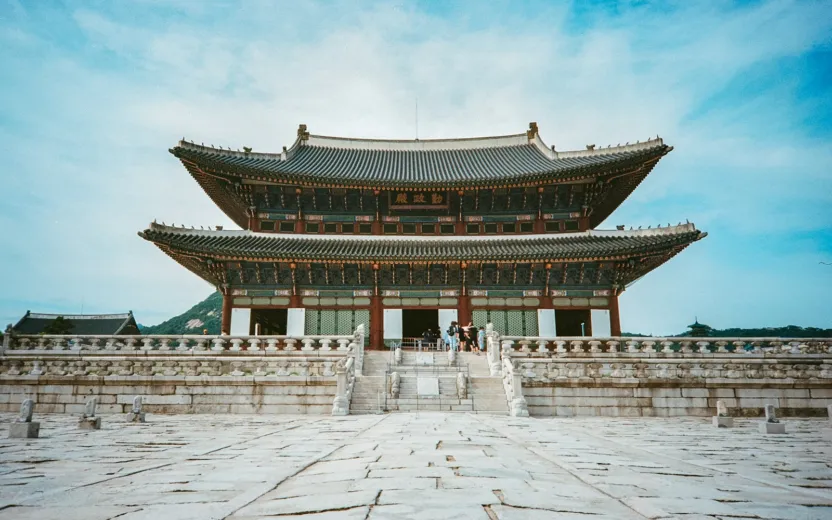
The Korea Tourism Organization’s Seoul destination overview connects Gwanghwamun and Jongno with royal palaces, history and traditional areas. This makes Jongno a useful place to investigate if Gyeongbokgung, historic streets or a market visit form a large part of your first trip.
The catch: Jongno covers different locations. Plot the actual hotel address against your palace and market plans; the district label alone is insufficient.
Gangnam: plan around specific modern-Seoul stops
VISITKOREA’s Gangnam overview describes the area around Gangnam Station as a center for commercial activity, shopping and transport connections. If your plans include several specific places on this side of the city, Gangnam might be an appropriate base.
Map where else you will spend your days. One universal travel-time or higher-price claim would be misleading without property-level, same-date evidence.
Itaewon: an international dining focus
The Visit Seoul Itaewon guide describes a multicultural district with restaurants and shopping influenced by many communities. It also identifies Seoul Central Mosque and halal-food businesses in the area. If international dining and a particular community-focused experience matter to you, Itaewon deserves consideration.
Not every restaurant is halal-certified or suitable for every dietary need. Verify individual menus and conditions, plus your hotel’s station route.
Five checks before you pay for any hotel
The comparison becomes useful only when you apply it to actual accommodation options. For each candidate, record the same five items:
- Trip fit: write down the three places or experiences you most want to visit. Does this address support those plans?
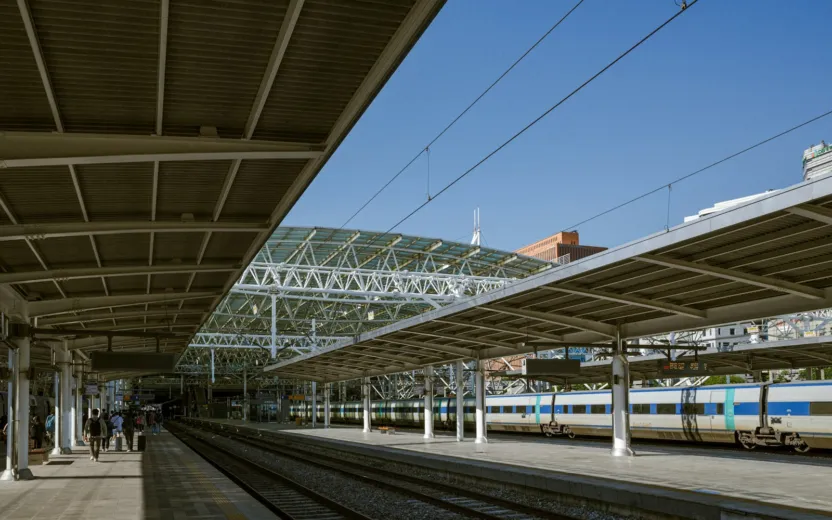
- Airport arrival: trace your route from the airport terminal to the actual hotel entrance, including any transfers and final walk.
- Access: check the correct station exit, luggage route, stairs, elevator information and property’s actual arrival door. Confirm accessibility directly if you rely on it.
- Comparable booking price: check the same dates, occupancy, room conditions, cancellation rules and final payable total across properties. A screenshot from another month is not a valid comparison.
- The catch: read recent, property-specific reviews for recurring limitations relevant to you; identify what remains unverified rather than assigning a generic score to the whole district.
A lobby photograph or walking clip does not prove room or service quality.
How to make the decision
Start with your trip, not the map of hotels. If your main memories are meant to be K-beauty and food, investigate Myeongdong first. If they are music and independent culture, start with Hongdae. For palaces and old-city streets, look at specific Jongno addresses. For a largely Gangnam-focused itinerary, consider staying near those booked activities. If you prioritize multicultural dining, examine Itaewon options.
Then compare actual properties. Your final choice may be elsewhere: a base should serve your Seoul, not win a popularity contest.
Only the places worth it.